Mulch Types Compared: Should You Choose Bark, Gravel, or Rubber?
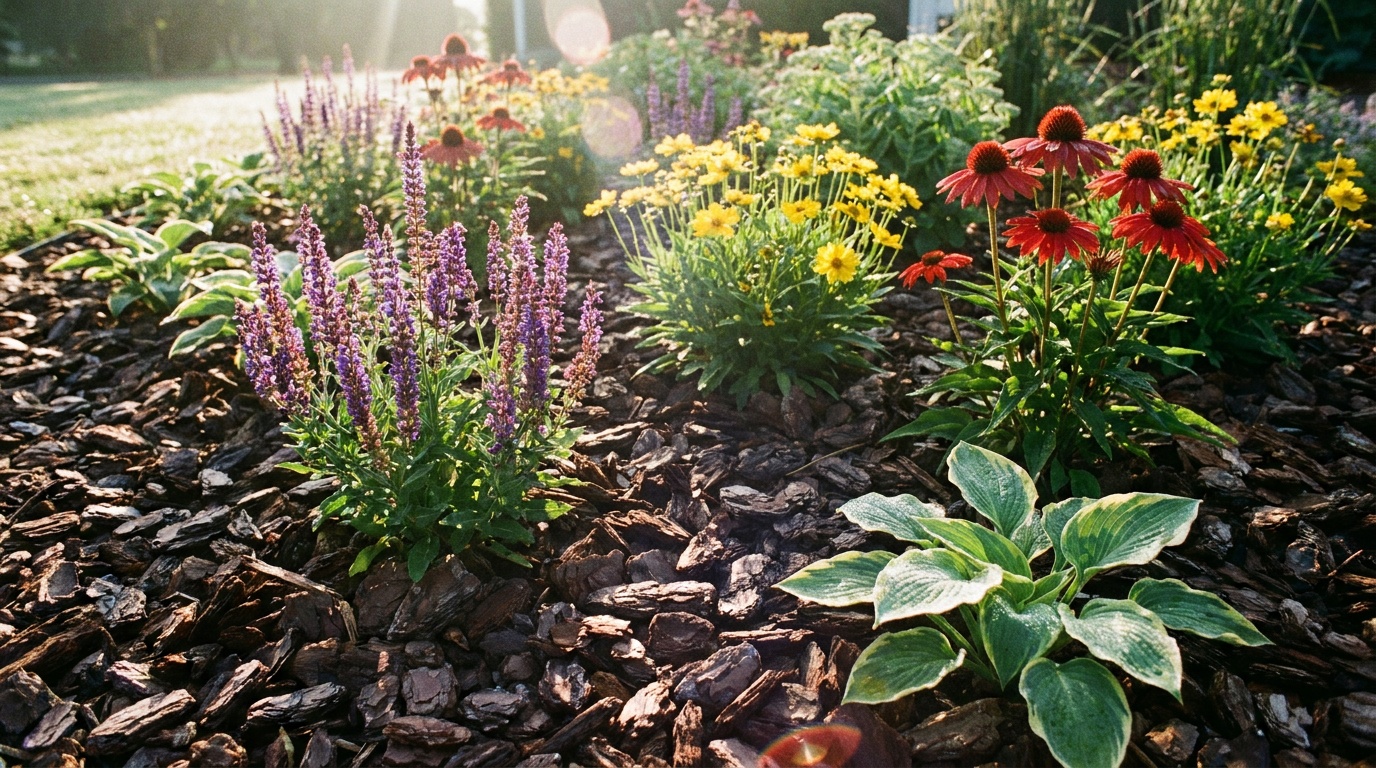
Mulch Types Compared: Should You Choose Bark, Gravel, or Rubber?
Reading time: 12 minutes
Picture this: it’s a warm spring morning in 2026, and you’re standing in your garden, coffee in hand, staring at bare soil between your carefully tended plants. You know you need mulch — but the options at your local garden center have exploded. Bark chips? Decomposed granite? Recycled rubber? The sheer variety can feel paralyzing. And picking the wrong one could cost you time, money, and possibly the health of your plants.
Here’s the straight talk: not all mulches are created equal, and the “best” mulch depends entirely on your specific goals — whether that’s moisture retention, weed suppression, aesthetics, or environmental responsibility. This guide cuts through the noise and helps you make the smartest choice for your landscape in 2026.
Table of Contents
- Why Mulch Matters More Than Ever in 2026
- Bark Mulch: The Classic Organic Choice
- Gravel Mulch: The Durable, Low-Maintenance Option
- Rubber Mulch: The Controversial Contender
- Head-to-Head Comparison Table
- Performance at a Glance: Visual Comparison
- Real-World Scenarios: Which Mulch Won?
- 3 Common Mulching Challenges (and How to Solve Them)
- Frequently Asked Questions
- Your Mulching Decision Roadmap
Why Mulch Matters More Than Ever in 2026
Mulching isn’t just a gardening aesthetic — it’s a strategic landscaping decision with real environmental and economic consequences. According to the American Society of Landscape Architects’ 2025 Sustainable Landscaping Report, water scarcity and extreme heat events have pushed mulching to the top of homeowner priorities, with 74% of respondents listing “water conservation” as their primary reason for mulching — up from 58% in 2022.
In 2026, with drought conditions affecting large parts of the American Southwest, Australia, and Southern Europe, mulch is no longer optional for climate-conscious gardeners. Studies from the University of California Cooperative Extension found that a proper 3-inch layer of organic mulch can reduce soil moisture evaporation by up to 70%, translating to significant reductions in irrigation costs. Meanwhile, global rubber recycling initiatives have expanded the rubber mulch market, and the decorative gravel sector has seen an 18% growth year-over-year as “low-water landscaping” trends accelerate.
But with more options come more questions. Let’s dig in — literally.
Bark Mulch: The Classic Organic Choice
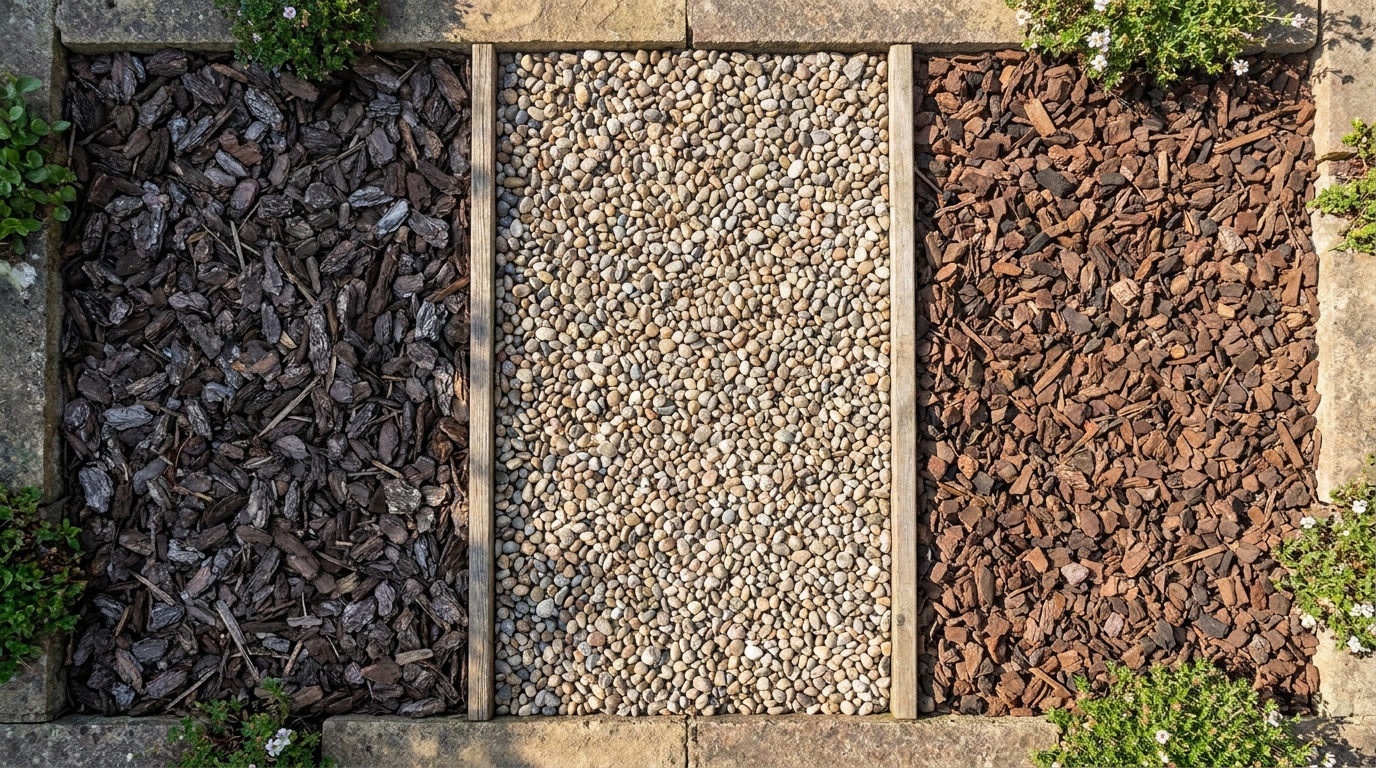
Bark mulch is the mulch most people picture when they think of the word. Derived from the outer layers of trees — typically pine, cedar, or hardwood — it’s the standard-bearer of organic mulching. But “bark mulch” is actually a broad category, and the differences within it matter.
Types of Bark Mulch to Know
Not all bark mulch performs the same way:
- Shredded hardwood bark: Dense, interlocks well, excellent for slopes. Breaks down slowly and adds rich organic matter to soil.
- Pine bark nuggets: Large, decorative chunks that allow excellent air circulation. Less prone to compaction but can float away in heavy rain.
- Cedar bark: Naturally insect-repellent due to aromatic oils. Longer-lasting than standard hardwood and adds a pleasant fragrance.
- Cypress mulch: Controversial in 2026 due to old-growth logging concerns — many environmentalists now discourage its use.
The Real Benefits (and Real Drawbacks) of Bark Mulch
Bark mulch earns its popularity because it genuinely delivers on multiple fronts. It improves soil health as it breaks down, feeding microorganisms and gradually enriching the root zone with organic matter. It regulates soil temperature beautifully — keeping soil cooler in summer and warmer in autumn. According to Penn State Extension research published in 2025, a 3-inch hardwood bark mulch layer maintained soil temperatures within a 6-8°F optimal range during peak heat events, compared to unprotected soil swings of up to 22°F.
However, bark mulch does come with challenges worth knowing:
- Nitrogen tie-up: As fresh bark decomposes, soil microbes temporarily consume nitrogen, potentially starving nearby plants. Always use aged or composted bark when possible.
- Fungal growth: Moisture-loving fungal species like artillery fungus (Sphaerobolus stellatus) can emerge from bark mulch, shooting sticky spores onto nearby surfaces including home siding — a frustrating and expensive problem.
- Annual replenishment: Organic mulch breaks down over 1-3 years, requiring regular top-ups. The annual cost adds up over time.
- Weed seeds: Lower-quality bark products may contain weed seeds that cause more problems than they solve.
Pro Tip: Always buy bark mulch from a reputable supplier who can confirm the product is aged and heat-treated. The $5–$10 price difference per cubic yard is worth it to avoid artillery fungus or nitrogen depletion issues.
Gravel Mulch: The Durable, Low-Maintenance Option
If bark mulch is the organic traditionalist, gravel is the pragmatist. Gravel, decomposed granite, river rock, and pea gravel have surged in popularity alongside the xeriscape movement — the practice of designing landscapes that require minimal irrigation. In 2026, with water-restriction policies active in over 200 U.S. municipalities, xeriscape landscaping has become not just a trend but in some regions a legal requirement for new construction.
Why Gravel Is Having a Moment in 2026
Gravel mulch offers several genuinely compelling advantages that organic options simply cannot match:
- Permanence: Once installed properly (with a quality landscape fabric beneath), gravel doesn’t decompose, wash away, or need annual replacement. A well-installed gravel bed can last 10–20+ years.
- Fire resistance: In wildfire-prone regions of California, Colorado, and Australia, inorganic mulches like gravel are now actively recommended by fire safety agencies. Organic mulch is a fuel source; gravel is not.
- Drainage excellence: Gravel allows water to pass through rapidly, preventing waterlogging — ideal for Mediterranean-climate gardens and drought-tolerant plants like lavender, rosemary, and ornamental grasses.
- Heat retention: In desert climates, gravel absorbs daytime heat and releases it at night, extending growing seasons for heat-loving plants.
Where Gravel Falls Short
For all its durability, gravel has limitations that can surprise first-time users:
- Heat amplification in humid climates: In hot, humid regions like the American Southeast, gravel can radiate excessive heat and damage plant roots — the opposite of what you want.
- Weed persistence: Landscape fabric beneath gravel eventually degrades, allowing weeds to root into the gravel layer itself. Removing weeds from established gravel beds is genuinely tedious work.
- No soil improvement: Unlike organic mulches, gravel contributes nothing to soil biology or structure. Over years, the soil beneath can actually become compacted and depleted.
- Cost and weight: Quality decorative gravel runs $60–$120 per ton in 2026, and delivery and installation costs add significantly to the total. It’s heavy and difficult to move once placed.
- Invasive species migration: Gravel can shift into lawn areas and damage mower blades — a surprisingly common and frustrating issue.
Best suited for: Drought-tolerant gardens, fire-wise landscaping, Mediterranean and desert-climate plantings, and homeowners who genuinely want to minimize ongoing maintenance.
Rubber Mulch: The Controversial Contender
Rubber mulch occupies a unique and genuinely polarizing position in the mulch world. Made from shredded, recycled car and truck tires, it was initially embraced as an eco-conscious solution to tire disposal — approximately 290 million scrap tires are generated in the United States annually, according to the Rubber Manufacturers Association’s 2025 figures. Repurposing that waste into playground surfaces and garden mulch seemed like an elegant solution.
But the reality is more complicated, and in 2026, the science has become clearer — and somewhat sobering.
What Rubber Mulch Gets Right
- Exceptional longevity: Rubber mulch can last 10+ years without decomposing, breaking down far more slowly than organic options. From a pure replacement-cost perspective, the lifetime math can work in its favor.
- Weed suppression: Its density provides excellent weed suppression, particularly when applied at the recommended 3–4 inch depth.
- Color stability: Dyed rubber mulch holds color far longer than wood-based alternatives, maintaining curb appeal without frequent touch-ups.
- Playground safety: In certified playground applications, rubber has a proven safety record for fall protection, and ASTM International standards (updated in 2024) still approve its use in recreational settings.
The Legitimate Concerns You Need to Know
Here’s where intellectual honesty matters. Multiple peer-reviewed studies — including a comprehensive 2024 analysis from the Environmental Science & Technology journal — confirmed that rubber mulch leaches chemical compounds including zinc, benzothiazole, and polycyclic aromatic hydrocarbons (PAHs) into surrounding soil over time. These compounds are toxic to soil organisms at elevated concentrations and have been detected in groundwater near rubber mulch installations.
Additionally, rubber mulch is flammable — a critical consideration in fire-risk regions. And it provides zero soil nutrition benefits. The California Environmental Protection Agency issued updated guidance in 2025 recommending that rubber mulch not be used in edible garden applications or anywhere near vegetable beds, fruit trees, or water features that drain to natural waterways.
Bottom line on rubber mulch: It has a legitimate place in non-food landscaping applications, playgrounds, and commercial settings where longevity is paramount — but it’s not appropriate for kitchen gardens, near water features, or in regions with high fire risk. Use it with eyes open.
Head-to-Head Comparison Table
| Metric | Bark Mulch | Gravel | Rubber Mulch |
|---|---|---|---|
| Average Lifespan | 1–3 years | 10–20+ years | 10–12 years |
| Cost Per Cubic Yard (2026) | $25–$45 | $40–$90 | $80–$160 |
| Soil Health Impact | ✅ Excellent (improves soil) | ⚠️ Neutral | ❌ Potentially harmful |
| Weed Suppression | Good (3+ inch depth) | Good (degrades over time) | Very Good |
| Environmental Safety | ✅ High | ✅ High | ⚠️ Leaching concerns |
| Fire Safety | ❌ Flammable | ✅ Non-flammable | ❌ Flammable |
Performance at a Glance: Visual Comparison
How do these three mulch types stack up across the metrics that matter most to the average homeowner? Here’s a quick-reference performance chart based on expert ratings from the 2025 Landscape Materials Evaluation Study (scale: 0–100):
Soil Health Improvement
Long-Term Cost Efficiency
Environmental Safety Score
Weed Suppression Effectiveness
Real-World Scenarios: Which Mulch Won?
Case Study 1: The Phoenix Homeowner Going Xeriscape
In early 2025, a Phoenix, Arizona homeowner — let’s call her Maria — was facing her third consecutive year of mandatory watering restrictions. Her traditional lawn was dying and her bark-mulched front beds required constant re-application. After consulting with a certified xeriscape designer, she replaced her bark mulch with crushed decomposed granite in a warm terracotta tone, paired with native Sonoran Desert plants.
The results after 14 months: her outdoor water usage dropped by 62%, she eliminated annual mulch replacement costs entirely, and her landscape was recognized by the City of Phoenix’s water conservation office as a model installation. The gravel’s heat-radiating properties actually extended her desert plant season into early winter. Total investment: approximately $2,200. Zero recurring mulch costs since installation.
Lesson: In arid climates with fire risk and water restrictions, gravel is frequently the objectively superior choice — not just aesthetically but economically and ecologically.
Case Study 2: The Pacific Northwest Food Gardener
Contrast Maria’s experience with Tom, a vegetable gardener in Eugene, Oregon. Tom initially installed rubber mulch in his raised-bed garden paths in 2023, attracted by the low-maintenance pitch. By 2025, he noticed reduced earthworm activity and his soil pH in beds adjacent to the rubber paths had shifted. After consulting with Oregon State University Extension, he removed the rubber mulch and replaced paths with aged cedar bark.
Within one growing season of switching, earthworm counts in border areas recovered significantly, and his vegetable yields returned to prior-year levels. The rubber mulch removal cost him $400 in labor — an expensive lesson that rubber mulch and edible gardens are a problematic combination. Tom’s current approach: cedar bark in all vegetable areas, pea gravel only in non-planting pathways.
Lesson: Context is everything. Rubber mulch near food production is genuinely risky, and the environmental science in 2025-2026 increasingly confirms what early skeptics suspected.
3 Common Mulching Challenges (and How to Solve Them)
Challenge 1: Mulch Volcanoes Around Trees
One of the most persistent and damaging landscaping mistakes in 2026 is the “mulch volcano” — piling mulch deeply against tree trunks. This traps moisture against bark, invites fungal disease, and can girdle trees over years. The fix is simple: keep all mulch at least 6 inches away from tree trunks, and aim for a “donut” shape that covers the root zone while leaving the base of the trunk clear. Maximum depth should be 3–4 inches for bark mulch, regardless of what looks visually dramatic.
Challenge 2: Mulch Washing Downhill on Slopes
Both bark nuggets and rubber mulch can migrate in heavy rain events, especially on sloped terrain — an increasing issue as extreme rainfall events grow more common. Solutions include: switching to shredded hardwood bark (which interlocks and resists movement), using biodegradable jute netting to hold mulch in place during the first season, or converting steep slopes to gravel with anchor edging. Terrace-style planting beds are the most permanent structural solution for challenging grades.
Challenge 3: Choosing Mulch That Fights Your Plants
Some mulch choices actively harm specific plants. Pine bark mulch increases soil acidity over time — ideal for blueberries and azaleas, but potentially damaging to lavender or Russian sage, which prefer alkaline or neutral soils. Gravel mulch retains heat that benefits succulents but can stress shade-loving woodland plants like hostas. The rule of thumb: always match your mulch to your plant’s native habitat. A Mediterranean herb bed wants gravel; a woodland shade garden wants aged leaf mulch or fine bark. Spend five minutes researching your specific plants’ preferences before purchasing.
Frequently Asked Questions
Is rubber mulch safe for vegetable gardens and areas where children play?
In vegetable gardens, rubber mulch is not recommended based on current science. The 2024 Environmental Science & Technology study confirmed that rubber mulch leaches zinc compounds and organic chemicals including benzothiazole into surrounding soil at concentrations that can affect plant health and soil biology. California EPA guidance updated in 2025 explicitly discourages rubber mulch near edible plants or drainage that reaches natural water bodies. For children’s playgrounds, certified rubber mulch products tested to ASTM safety standards are still approved for fall attenuation — but the chemical leaching concern remains relevant for areas where children may have prolonged soil contact. When in doubt, choose certified organic mulch or engineered wood fiber for play spaces.
How often does bark mulch actually need to be replaced, and what’s the real annual cost?
Bark mulch typically needs replenishment every 1–2 years in most climates, though fine-textured bark breaks down faster than chunky nuggets. In practice, a standard 1,000 square foot garden bed at 3-inch depth requires approximately 9–10 cubic yards of mulch. At 2026 prices of $25–$45 per cubic yard, that’s roughly $250–$450 every 1–2 years, plus delivery and installation if you’re not doing it yourself. To reduce frequency, choose larger bark nuggets or cedar, which decompose more slowly. Layering over cardboard (a technique called “sheet mulching”) can also extend weed suppression and slow decomposition, meaning you add less new mulch each cycle.
Can I mix different types of mulch, or should I pick just one?
Mixing mulch types strategically is actually a smart approach that experienced landscapers use regularly. A common and effective combination: lay a fine shredded bark base layer (for soil health and moisture retention), then top-dress with a thin gravel or crushed shell layer for aesthetics and to reduce surface evaporation. This layering approach benefits from the organic advantages of bark while gaining the visual appeal and surface durability of inorganic materials. However, never mix rubber mulch with organic mulches — the decomposing organic material can accelerate chemical leaching from rubber particles. Also avoid mixing gravel into bark beds if you ever plan to replant or rototill, as the gravel becomes permanently integrated into your soil over time.
Your Mulching Decision Roadmap: Choose With Confidence
You’ve absorbed a lot of nuance — and that’s exactly the point. The mulch question isn’t a simple one-size-fits-all answer, but armed with the right framework, your decision becomes straightforward. Here’s your practical action plan:
- Step 1 — Define your primary goal. Is it soil health, water conservation, fire safety, aesthetics, or budget? Write it down. Your primary goal should determine 80% of your decision.
- Step 2 — Audit your climate and plant list. Humid climate with food plants? Go organic bark. Arid climate with water restrictions? Gravel is likely your champion. High fire-risk zone? Gravel is your only responsible inorganic choice. Rubber should only appear for non-food decorative applications or certified playground contexts.
- Step 3 — Calculate lifetime cost, not just sticker price. Bark is cheap upfront but has recurring costs. Gravel is expensive upfront but pays off over a decade. Run the numbers for your specific square footage before committing.
- Step 4 — Install correctly or not at all. The right mulch installed at the wrong depth or in the wrong location causes damage. Three inches is the magic number for most mulch types. Keep it away from plant stems and tree trunks.
- Step 5 — Review and adapt annually. Your landscape’s needs change. A spring walkthrough each year to assess mulch depth, weed pressure, and plant health helps you course-correct before small problems become expensive ones.
In 2026, sustainable landscaping is no longer aspirational — it’s urgent. Water costs are rising, fire risks are real, and soil health is increasingly recognized as a foundation of food security and garden resilience. The mulch you choose today shapes your garden’s microecology for years to come.
Here’s the question worth sitting with: What does your landscape need to thrive not just this season, but over the next decade? Answer that honestly, and the right mulch will choose itself.
Article reviewed by Linda Phillips, Senior Architectural Consultant & Renovation Project Manager, on May 4, 2026