The Ultimate Fall Yard Cleanup and Winterization Checklist
The Ultimate Fall Yard Cleanup and Winterization Checklist
Reading time: 14 minutes
Ever stared out at your yard in late October and felt that familiar mix of dread and procrastination? You’re not alone. Every fall, millions of homeowners scramble to prepare their outdoor spaces for winter — and millions more pay the price in dead plants, cracked pipes, and patchy lawns come spring. Here’s the straight talk: fall yard prep isn’t just about aesthetics — it’s about protecting a significant financial investment.
According to a 2025 survey by the National Association of Landscape Professionals (NALP), homeowners who completed a thorough fall yard cleanup and winterization routine saved an average of $1,340 in spring repair costs compared to those who skipped it. That’s money back in your pocket just for raking leaves and draining a hose bib.
This guide takes you from leaf-strewn chaos to a fully winterized yard — systematically, practically, and without overwhelming you with gardening jargon. Whether you’re a first-time homeowner or a seasoned weekend warrior who wants to sharpen your process, this checklist will transform fall prep from a chore into a strategic ritual.
Table of Contents
- Why Fall Prep Matters More Than Ever in 2026
- Lawn Care: The Foundation of Spring Success
- Garden Beds, Perennials, and Bulbs
- Trees, Shrubs, and Hedges
- Irrigation, Water Features, and Outdoor Plumbing
- Hardscaping, Outdoor Furniture, and Structures
- Tools, Equipment, and Storage
- Fall Cleanup Task Comparison: DIY vs. Professional
- Homeowner Winterization Priority Chart
- 3 Common Fall Yard Mistakes and How to Avoid Them
- Frequently Asked Questions
- Your Winter-Ready Yard: The Final Checklist
Why Fall Prep Matters More Than Ever in 2026
Climate patterns in 2026 continue to challenge traditional yard care timelines. The USDA updated its Plant Hardiness Zone Map again in early 2026, shifting nearly 12% of U.S. zip codes into warmer zones — yet paradoxically, unpredictable “flash winter” events (sudden, severe cold snaps) have become more frequent. Translation: your lawn and garden face a more volatile threat environment than your parents ever dealt with.
Think of it like this — Sarah, a homeowner in Columbus, Ohio, skipped her fall lawn aeration in 2024. The following spring, she spent $2,200 reseeding a lawn ravaged by compacted soil, snow mold, and winterkill. Her neighbor, Marcus, spent four hours aerating, overseeding, and applying a winterizer fertilizer. His lawn? Lush and green by mid-April. Same neighborhood. Same winter. Completely different outcomes.
The lesson is simple: proactive fall prep is the single highest-ROI yard activity of the year. Let’s build your checklist from the ground up.
Lawn Care: The Foundation of Spring Success
Your lawn is the largest single element of your yard, and it deserves the most structured attention. Fall lawn care isn’t just about the last mow — it’s about setting biological conditions that allow grass to survive, root deeply, and explode back to life in spring.
Mowing, Aeration, and Overseeding
Begin by gradually lowering your mowing height over the last three to four cuts of the season. For cool-season grasses (Kentucky bluegrass, tall fescue, ryegrass), aim for a final height of 2 to 2.5 inches. Too tall, and you invite snow mold. Too short, and roots are exposed to freeze damage. Precision matters here.
Core aeration is non-negotiable if your lawn sees foot traffic. A core aerator pulls 2–3 inch plugs of soil and thatch from your lawn, opening channels for water, oxygen, and nutrients to penetrate root zones. For best results, aerate when soil is moist but not soggy — typically late September through mid-October in most northern climates, and October through November in transitional zones.
Immediately after aerating, overseed thin or bare patches. In 2026, seed-coating technology has advanced significantly — look for polymer-coated seeds with built-in moisture-retention compounds, which can improve germination rates by up to 34% compared to uncoated seed (Scotts Lawn Research, 2025). Water daily for 10–14 days to establish new seedlings before the first hard frost.
Fertilizing with a Winterizer
A “winterizer” fertilizer is applied in late fall — typically after the lawn stops actively growing but before the ground freezes. These formulas are high in potassium (K) and phosphorus (P) with lower nitrogen (N), which encourages root development and carbohydrate storage rather than top growth.
Pro Tip: Timing is everything. Apply winterizer when daytime temperatures consistently fall between 50–32°F. Apply too early, and you stimulate shoot growth that’s vulnerable to frost. Apply after the ground freezes, and nutrient uptake stops entirely. The sweet spot is typically a 2–3 week window in October or November, depending on your zone.
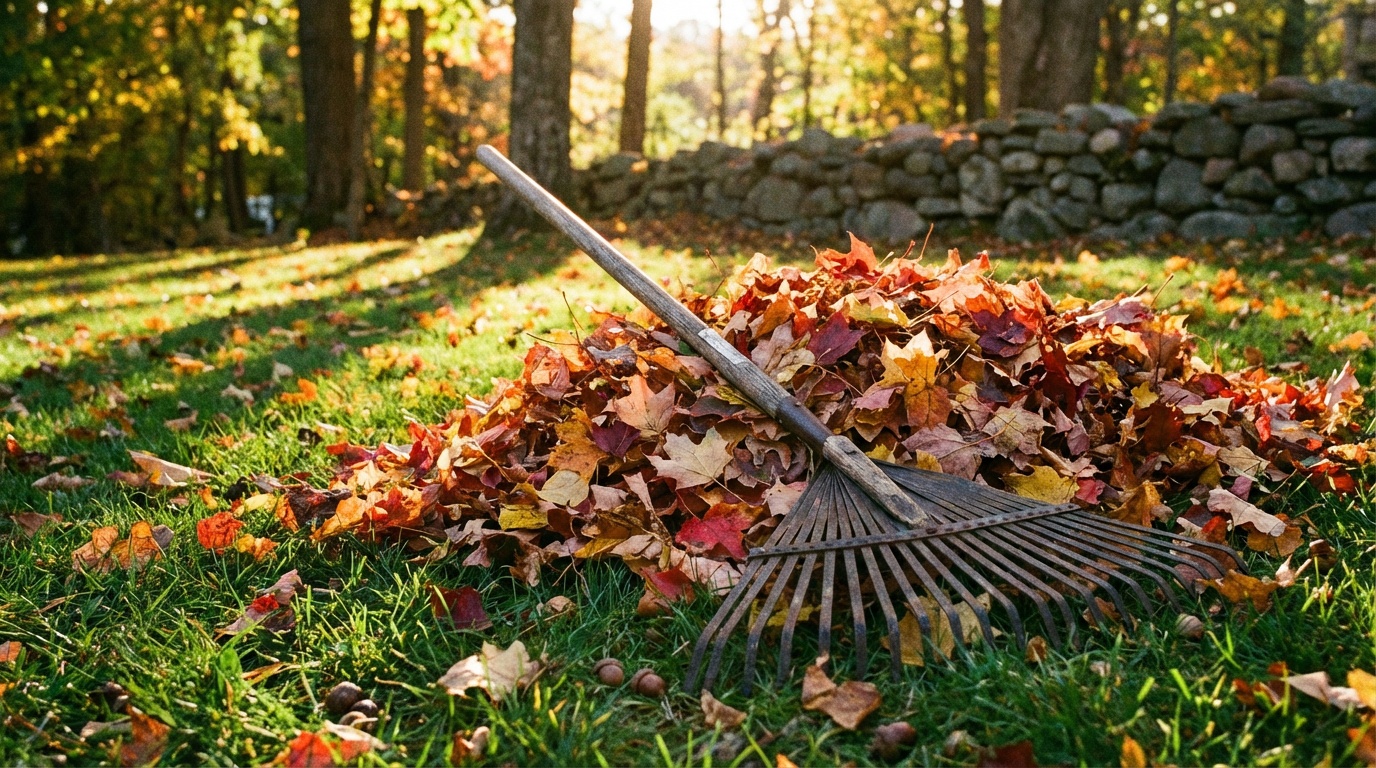
Leaf management also falls under lawn care. A thin layer of shredded leaves (mulch-mowed with your mower) actually benefits lawn health, adding organic matter and insulating roots. But thick, matted leaf layers block sunlight, trap moisture, and create ideal conditions for fungal disease. If you can’t shred them in place, rake them into compost or bag them for municipal collection.
Garden Beds, Perennials, and Bulbs
Here’s where many homeowners get confused: how much should you cut back in fall? The honest answer depends on what you’re growing — and your local climate.
What to Cut Back, What to Leave
Many perennials benefit from being left standing through winter. Plants like black-eyed Susans, ornamental grasses, coneflowers, and sedum provide structure in the winter landscape, offer seed heads that feed birds, and protect crown tissue from freeze-thaw cycles. A 2025 Penn State Extension study found that perennials left standing through winter had a 19% higher survival rate in USDA Zone 5 than those cut back in October.
However, diseased plants, invasive spreaders, and annuals should always be removed and disposed of — not composted, to prevent disease carryover.
Spring-blooming bulbs (tulips, daffodils, crocuses, hyacinths) must be planted in fall — typically 6 to 8 weeks before the ground freezes hard. Plant at a depth of two to three times the bulb’s diameter. In 2026, supply chain improvements have made specialty bulb varieties more accessible online, but local nurseries remain the most reliable source for regionally appropriate cultivars.
For tender bulbs and tubers — dahlias, cannas, elephant ears — dig them up after the first light frost kills foliage, allow them to dry for 24–48 hours, and store them in a cool (40–50°F), dark location in breathable containers with dry peat moss or newspaper.
Mulching garden beds after the ground begins to freeze (not before — you want the ground to freeze to prevent heaving) is one of the most protective things you can do. Apply 2–4 inches of shredded wood mulch, straw, or shredded leaves to insulate root zones, retain moisture, and prevent frost heave. Keep mulch 2–3 inches away from plant stems and tree trunks to prevent rot.
Trees, Shrubs, and Hedges
Your woody plants are major investments — a mature shade tree can add $1,000–$10,000 in property value. Protecting them in fall is straightforward when you know what to do.
Late fall is an ideal time to prune most deciduous trees and shrubs. With leaves gone, branch structure is clearly visible, making it easier to identify crossing branches, deadwood, and structural defects. Additionally, many fungal pathogens and insects are dormant in late fall, reducing the risk of infection through pruning cuts. However, avoid pruning spring bloomers (forsythia, lilac, azalea) in fall — you’ll remove next year’s flower buds.
For young trees planted within the last two to three years, trunk wrapping with paper tree wrap or plastic spiral guards protects against two specific hazards: sunscald (bark cracking from temperature fluctuation) and rodent damage (mice and voles girdle bark under snow cover). Wrap from the base up to the lowest branch, and remove the wrap in spring.
Broadleaf evergreens — rhododendrons, hollies, boxwoods — are susceptible to winter burn, where foliage desiccates in cold, dry winds. Combat this with an application of anti-desiccant spray (like Wilt-Pruf) in late fall when temperatures are above 40°F, and consider burlap windbreaks for particularly exposed plants.
Give all shrubs and trees a deep watering before the ground freezes — especially evergreens. Roots continue to absorb water until the soil hardens, and well-hydrated tissue is significantly more cold-hardy than drought-stressed tissue.
Irrigation, Water Features, and Outdoor Plumbing
This is where skipping fall prep can turn into a very expensive mistake very quickly. Frozen, burst pipes and cracked irrigation lines are among the most common and costly winter yard disasters.
Winterizing Your Irrigation System
If you have an in-ground irrigation system, blow-out winterization using compressed air is the gold standard. This involves connecting a commercial air compressor (at least 20–50 CFM depending on zone count) to the system’s blow-out port and clearing each zone of water. This should be done by a licensed irrigation contractor or a highly competent DIYer — improper blow-out pressure can damage heads and pipes.
For homeowners in 2026 with smart irrigation controllers (Rachio, RainBird Smart, Hunter Hydrawise), most systems now include an automated winterization reminder based on your local forecast data. Use it — but still physically blow out the lines. Digital reminders don’t replace physical water removal.
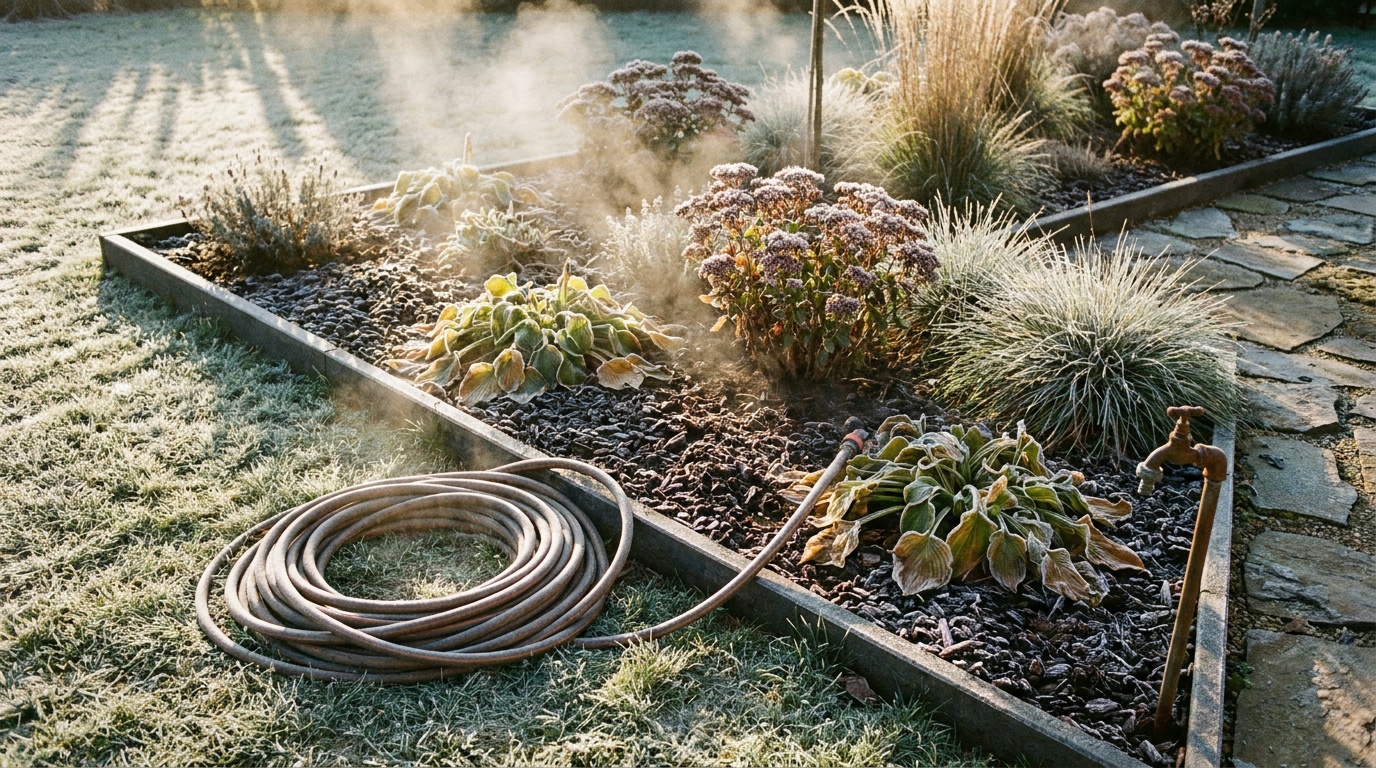
Outdoor spigots and hose bibs: Disconnect all garden hoses (even frost-free hose bibs can freeze if a hose is left connected, trapping water). Turn off shut-off valves to outdoor spigots from inside the home, then open the exterior faucet to drain residual water. Install insulated faucet covers as an additional layer of protection.
Water features and ponds: For decorative fountains, drain completely, remove pumps, and store indoors. For ponds with fish, you have two options: bring fish indoors or ensure the pond is deep enough (at least 18–24 inches in most zones) that it won’t freeze solid. Stop feeding fish when water temperatures drop below 50°F — their metabolism slows and undigested food causes ammonia spikes.
Hardscaping, Outdoor Furniture, and Structures
Patios, walkways, retaining walls, and outdoor living structures all need fall attention. Water infiltrating cracks and joints — then freezing and expanding — causes the majority of hardscape damage over winter.
Inspect and seal cracks in concrete, pavers, and mortar joints before temperatures drop. For concrete, use a polyurethane or silicone-based crack filler. For paver joints, replenish polymeric sand to stabilize stones and prevent frost heave. Apply a quality concrete or stone sealer to water-repel surfaces and minimize freeze-thaw damage.
Outdoor furniture: Metal furniture should be cleaned, dried, and either stored indoors or covered with fitted, breathable covers. Cushions must come inside — leaving them outside risks mold, mildew, and material breakdown. Teak and hardwood furniture can stay outdoors if treated with teak oil, but covering is still advisable. Plastic and resin furniture becomes brittle in extreme cold — store it if possible.
Outdoor kitchens and grills: Disconnect propane tanks (store them outside — never in an enclosed garage), clean grill grates and burners thoroughly, and cover with a ventilated grill cover. For built-in outdoor kitchens, winterize any plumbing lines following the same principles as irrigation systems.
Wood decks: Clean with a deck cleaner, allow to dry, and apply a water-repellent sealant if the surface hasn’t been sealed in the past two years. Check fasteners for rust and tighten any loose boards. Remove leaves promptly through fall — wet, decomposing leaves are a primary cause of deck staining and rot.
Tools, Equipment, and Storage
Your tools are only as good as the care you give them. A few hours of fall tool maintenance pays dividends in equipment longevity and spring readiness.
Gas-powered equipment (mowers, tillers, blowers) requires either running the fuel tank completely empty or adding a fuel stabilizer to prevent ethanol-blended gas from degrading and gumming the carburetor over winter. In 2026, with E15 ethanol blends now sold at most U.S. fuel stations year-round, fuel stabilizer use is more critical than ever. Products like STA-BIL 360° are formulated for high-ethanol fuels.
Change the oil in your mower before winter storage — old oil contains combustion byproducts and acids that degrade internal engine components. Remove the spark plug, spray a small amount of engine oil into the cylinder, and pull the starter cord slowly to coat cylinder walls. Sharpen or replace the blade.
Hand tools (shovels, rakes, pruners, loppers): Clean soil from metal surfaces, sand any rust spots with steel wool, and wipe down with a light coat of mineral oil or WD-40. Sharpen pruner and lopper blades with a sharpening stone. Sand wooden handles and apply linseed oil to prevent cracking. Hang tools rather than stacking them — contact between metal surfaces promotes rust.
For battery-powered tools (increasingly dominant in 2026), store lithium-ion batteries at room temperature and at a charge level of 40–60%. Extreme cold degrades battery chemistry. Never store fully depleted or fully charged batteries for extended periods.
Fall Cleanup Task Comparison: DIY vs. Professional
| Task | DIY Cost | Pro Cost (Avg. 2026) | DIY Skill Level | Recommended Approach |
|---|---|---|---|---|
| Core Aeration | $60–$90 (rental) | $80–$200 | Beginner | DIY-friendly |
| Irrigation Blow-Out | $40–$80 (compressor rental) | $75–$150 | Intermediate | Hire a Pro |
| Tree Pruning (large trees) | Not recommended | $300–$1,200+ | Advanced/Dangerous | Always hire ISA Arborist |
| Garden Bed Mulching | $20–$60 (materials) | $100–$300 | Beginner | DIY-friendly |
| Deck Sealing | $30–$100 (materials) | $250–$700 | Beginner–Intermediate | DIY with prep time |
Homeowner Winterization Priority Chart
Based on a 2025 NALP homeowner survey, here’s how professionals rate the relative importance of fall winterization tasks by their impact on preventing spring damage:
3 Common Fall Yard Mistakes and How to Avoid Them
Mistake #1: Mulching Too Early
Applying mulch before the ground begins to freeze is one of the most counterproductive things you can do. Warm soil covered with insulating mulch stays warm longer, which invites voles, mice, and other rodents to burrow in for winter — right next to your plant roots and tree trunks. It can also delay the natural hardening-off process that makes plants cold-tolerant. The fix is simple: wait until after two or three consecutive nights below 28°F before mulching beds, and always leave a gap around plant stems.
Mistake #2: Skipping the Last Fertilizer Application
Many homeowners assume that fertilizing in fall is wasteful since grass isn’t growing actively. This misunderstands how grass biology works. Even when above-ground growth has stopped, root systems remain active, storing carbohydrates and building the energy reserves that fuel spring green-up. A potassium-rich winterizer fertilizer applied at the right time is arguably more valuable than any spring fertilizer. Don’t skip it.
Mistake #3: Leaving Water in Outdoor Systems
This one generates more repair bills than almost anything else. Homeowners consistently underestimate how much residual water remains in irrigation lines, outdoor faucets, and ornamental water features — even after they “think” they’ve drained them. In 2025, a Chicago-area homeowner named Daniel learned this lesson when a single 18-degree night burst three irrigation lateral lines he assumed were empty. The repair cost: $640. The solution: treat all outdoor water systems as if they will freeze, every single year, without exception. Physically blow out lines, open drain caps, remove hoses, and cap bibs.
Frequently Asked Questions
When is the best time to start fall yard cleanup?
The ideal window varies by climate zone, but a general rule is to begin your fall checklist six to eight weeks before your average first hard frost date (28°F or below). In most northern U.S. states, this means starting in mid-September. In transitional zones (Zone 6–7), October is appropriate. Use the USDA’s updated 2026 Plant Hardiness Zone Map and your local extension service’s frost date database to pinpoint your specific window. Starting early reduces rush and allows tasks like overseeding and bulb planting to succeed before the ground hardens.
Should I remove all leaves from my lawn and garden beds?
Not necessarily. Shredded leaves mulch-mowed into your lawn break down into organic matter and nutrients — beneficial in thin layers. Thick, matted leaves on turf must be removed or shredded, as they block light and air and create snow mold conditions. In garden beds, a light layer of leaves can provide insulation, though whole leaves pack tightly and can smother plants. The best practice: shred leaves with your mower or a leaf shredder and use them as free mulch in beds. Remove and compost excess. Never bag and discard leaves if you can avoid it — they are a valuable organic resource.
Can I do fall yard prep myself, or do I need to hire professionals?
Most fall yard prep tasks are well within DIY capability for the average homeowner — lawn aeration, mulching, garden cleanup, tool maintenance, furniture storage, and basic plumbing winterization. Two tasks consistently warrant professional involvement: large tree pruning (safety and liability) and in-ground irrigation blow-outs (risk of system damage if done incorrectly). If you’re in doubt, consult a local lawn care professional for a fall assessment — many offer free consultations, and in 2026, app-based platforms like Lawn Love and TaskEasy make getting competitive quotes faster than ever.
Your Winter-Ready Yard: The Final Checklist
You’ve covered the knowledge — now let’s lock it into a practical, sequential action plan. Here’s your complete fall yard winterization roadmap, designed to be executed over three to four weekends in fall:
Weekend 1 — Lawn and Garden Priority Tasks:
- Aerate and overseed thin lawn areas
- Plant spring-blooming bulbs in prepared beds
- Cut back diseased or invasive perennials; leave ornamentals standing
- Dig and store tender bulbs and tubers
Weekend 2 — Trees, Shrubs, and Water Systems:
- Prune deciduous shrubs and small trees; wrap young tree trunks
- Apply anti-desiccant spray to broadleaf evergreens
- Winterize irrigation system (blow out lines)
- Drain water features; disconnect and store pumps
- Disconnect hoses; shut off and drain outdoor spigots
Weekend 3 — Hardscaping, Furniture, and Fertilization:
- Apply winterizer fertilizer to lawn
- Seal cracks in concrete, pavers, and hardscape joints
- Clean and store or cover outdoor furniture and grills
- Seal and inspect wood deck surfaces
Weekend 4 — Mulching, Tools, and Final Inspection:
- Apply mulch to garden beds after first hard frost
- Clean, sharpen, and oil all hand tools; store properly
- Service gas-powered equipment; add fuel stabilizer or drain fuel
- Store battery-powered tools and batteries at room temperature
- Walk the entire property for a final visual inspection
As climate variability continues to intensify through the late 2020s, the homeowners who treat fall prep as a strategic investment rather than a seasonal chore will consistently outperform those who don’t — both in yard quality and in avoided repair costs. The gap between a well-prepared and under-prepared yard is widening every year.
Here’s your call to action: print this checklist, schedule your four weekends on your calendar this week, and start with one task today. Even pulling out your tools and giving them a look signals momentum. Your spring yard — lush, healthy, and thriving — is built in October and November, not April. The question isn’t whether you have time to do this. It’s whether you can afford not to.
Article reviewed by Linda Phillips, Senior Architectural Consultant & Renovation Project Manager, on May 4, 2026